A Newly Protected Area in Percé: Mont Blanc and Mont Sainte-Anne
Article
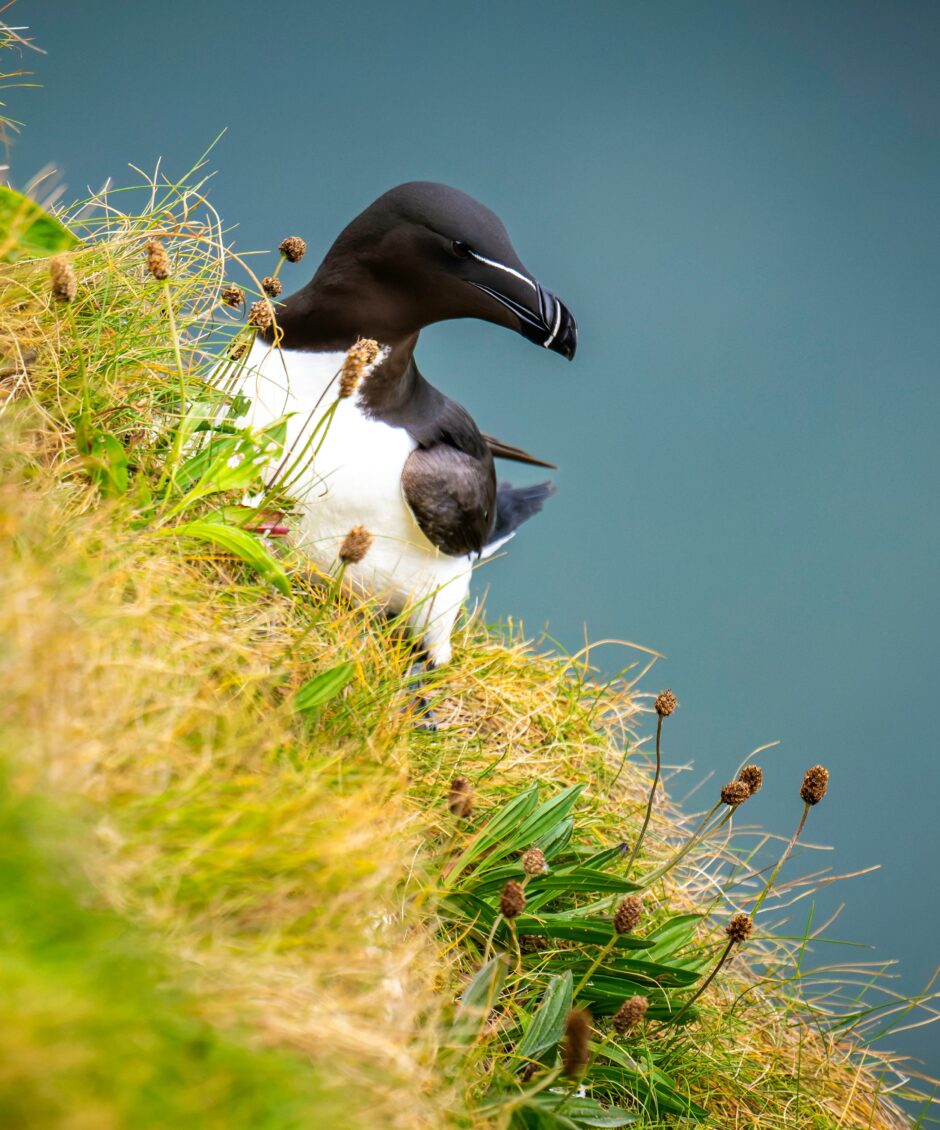
A nearly 170-hectare stretch of the Gaspé Peninsula’s most striking coastline is now protected, thanks to a partnership between the Nature Conservancy of Canada, the Percé UNESCO Global Geopark, and Age of Union.
Topics
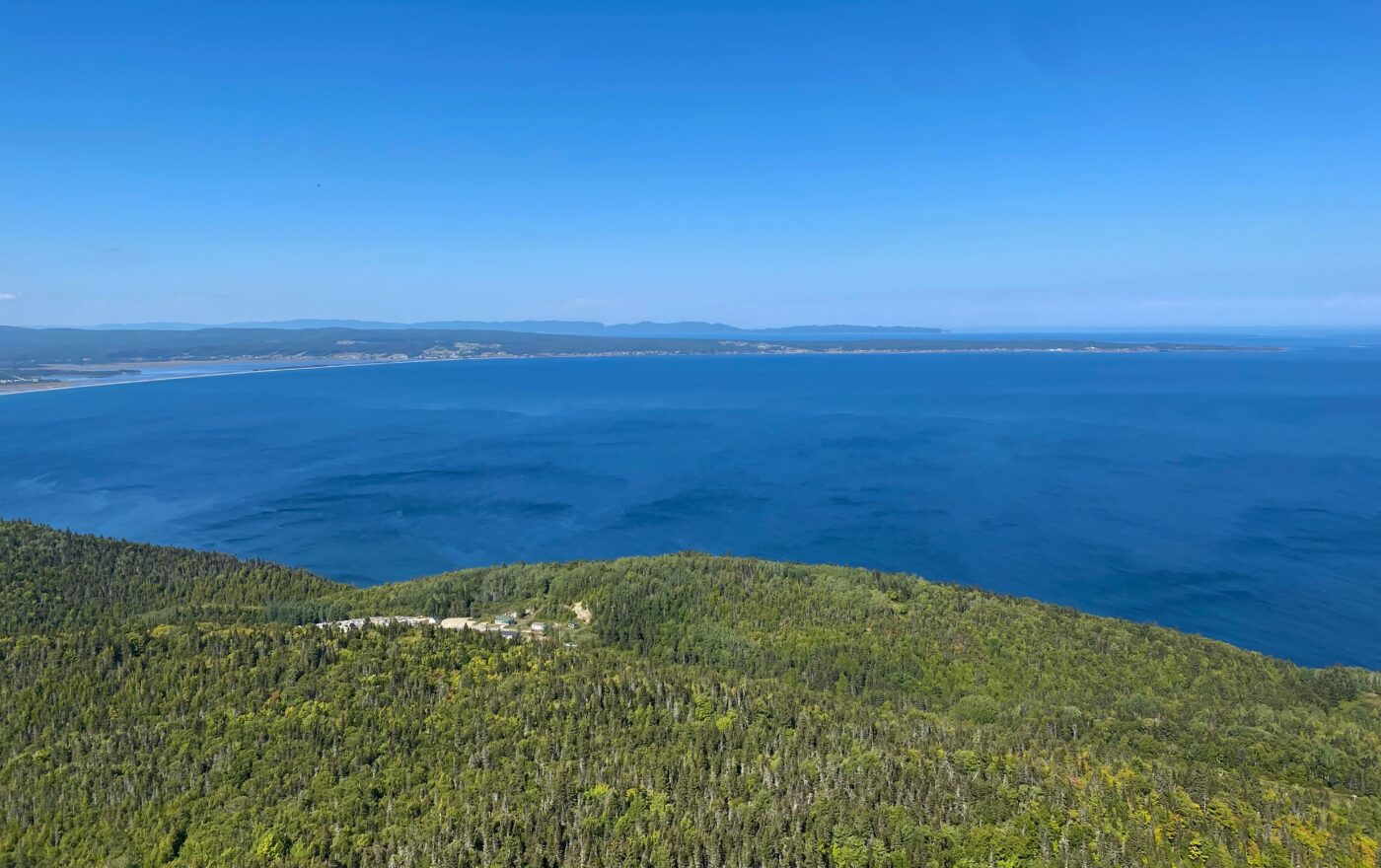
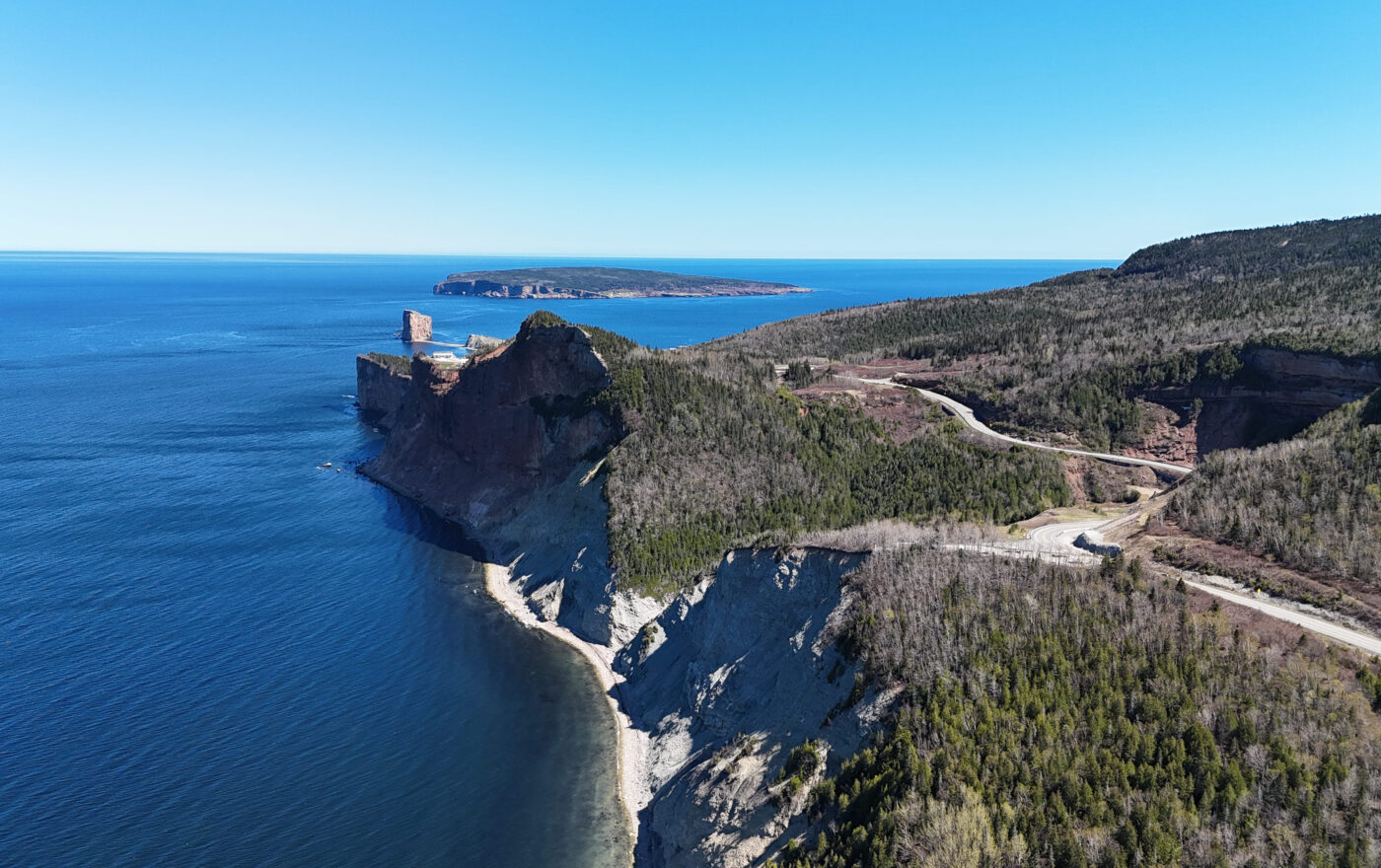
Some places ask to be protected the moment you see them. Mont Blanc and Mont Sainte-Anne, rising over the town of Percé at the tip of Quebec’s Gaspé Peninsula, are two of them. Cliffs climb nearly 80 metres straight out of the Gulf of St. Lawrence. Old forests hold their ground on the ridgelines. Seabirds work the wind above the water.
Nearly 170 hectares of this coastline is now protected in a partnership between the Nature Conservancy of Canada and the Percé UNESCO Global Geopark, with Age of Union’s support.
Why this coast matters
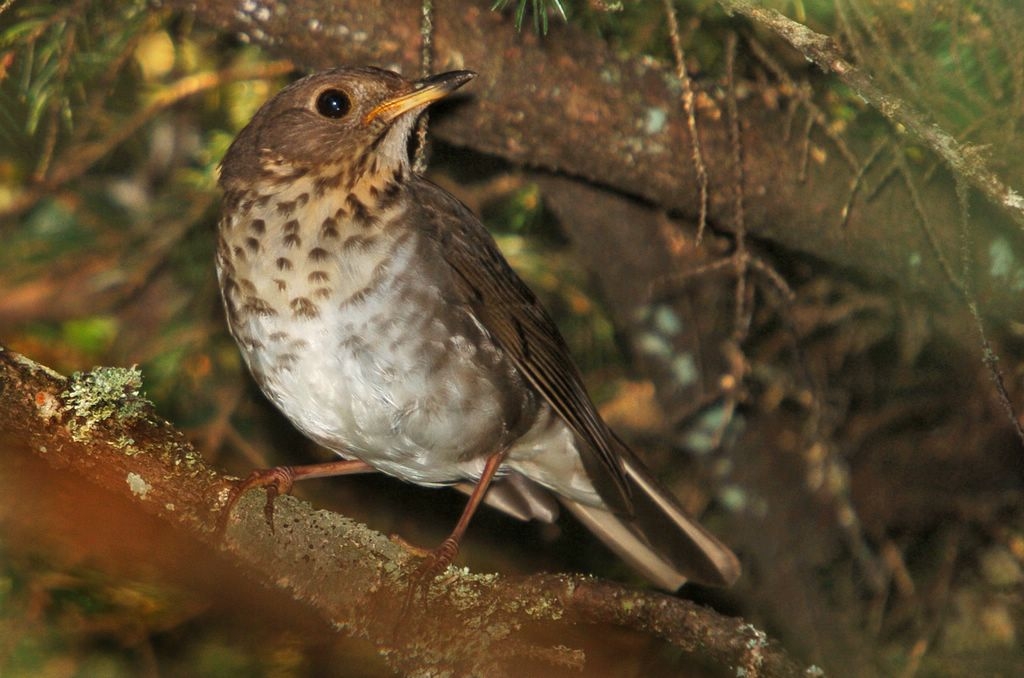
The site features high cliffs sheltering seabirds, while old forests and rare northern vegetation give the Gaspé a pocket of habitat that is crucial for its surrounding ecosystem. Among the species that depend on this ground are Bicknell’s thrush and the bank swallow, both listed as threatened in Canada.
Protecting a place like this keeps those species preserved. It keeps the coastline intact for the seabirds that nest along it and the visitors who walk it. And it connects a globally recognized geopark to a permanent conservation future, which we Age of Union are proud of having an active part in.
Years in the making
The agreement followed more than five years of conversation between the landowner and the Nature Conservancy of Canada, ending in the decision to hand the land over for permanent protection. The transaction, valued at 1.5 million dollars, covered both the purchase of the property and a fund to steward it over time.
The work of union
Age of Union backs conservationists who protect threatened ecosystems where they live and work. Percé sits close to home, on Canadian soil, where Age of Union started. Now, its crucial nature is defended, alongside other of our partners in the Amazon, in Madagascar, and across the world’s last wild places. Different coastlines, same conviction: that the natural world is worth defending, and that protecting it is something we do together.
Topics
Related
articles
America, Asia, News
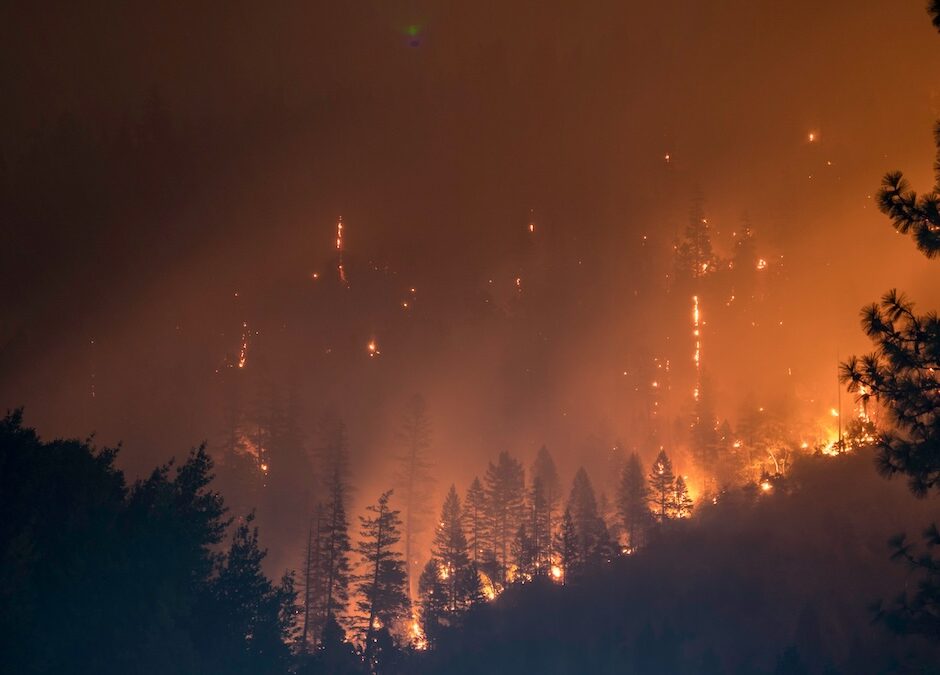
What More Intense Wildfire Seasons Mean For People and the Planet
America, Project
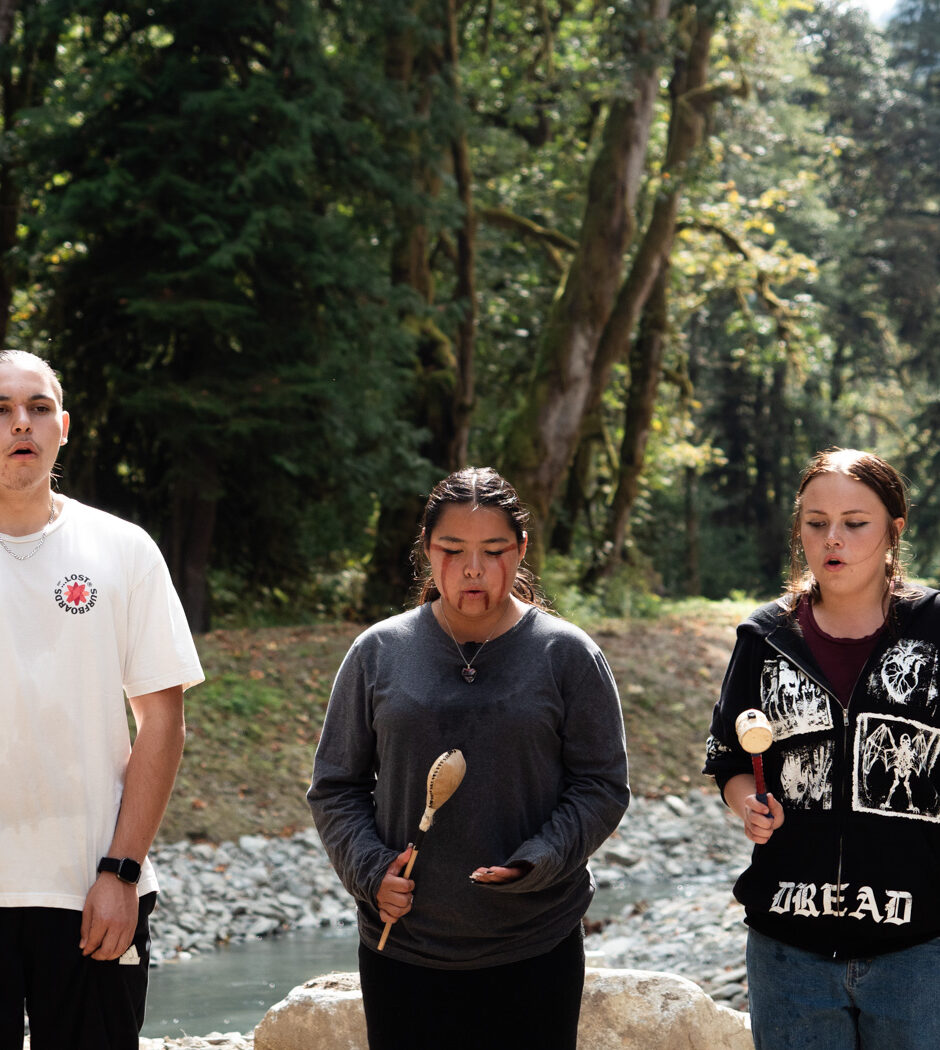
Uniting Katzie Indigenous Knowledge and Science to Restore the Pitt River Watershed
Project
More articles
News
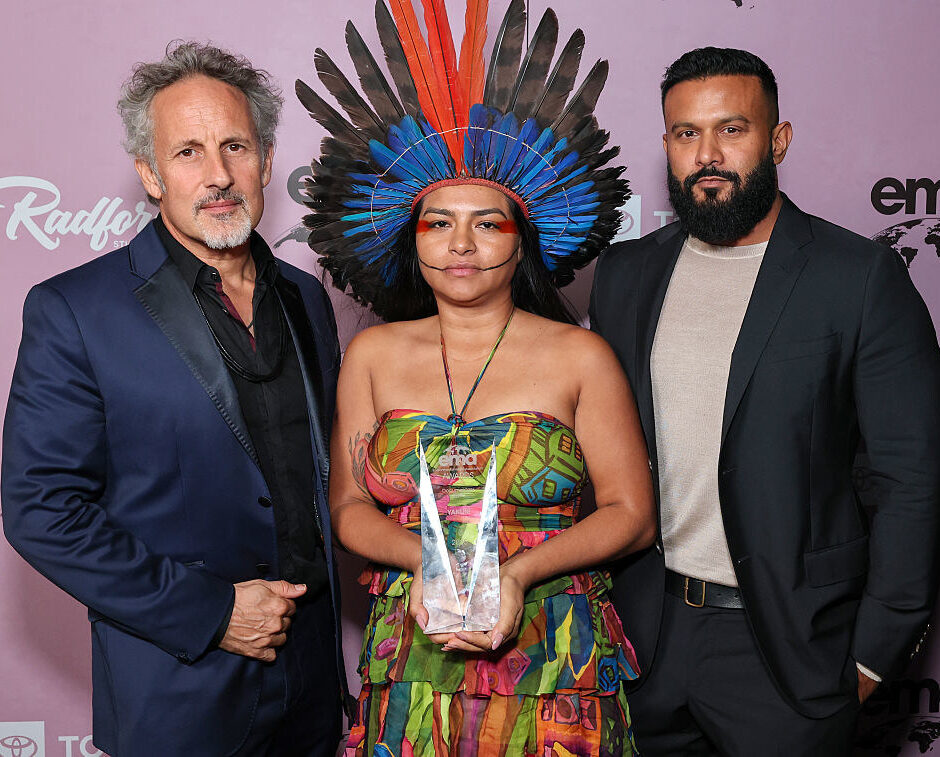
Age of Union Marks 4 Years of Global Conservation Wins As COP30 Commences in Brazil
News, Other
‘Echoes from Eden’ Book Tour Connects Readers to Urgent Stories of Conservation
Explainer, South America
In the Amazon, Gold Mining Leaves a Toxic Trail
America, Asia, News
What More Intense Wildfire Seasons Mean For People and the Planet
Film